
Thinking About Moving to Abilene, Texas?
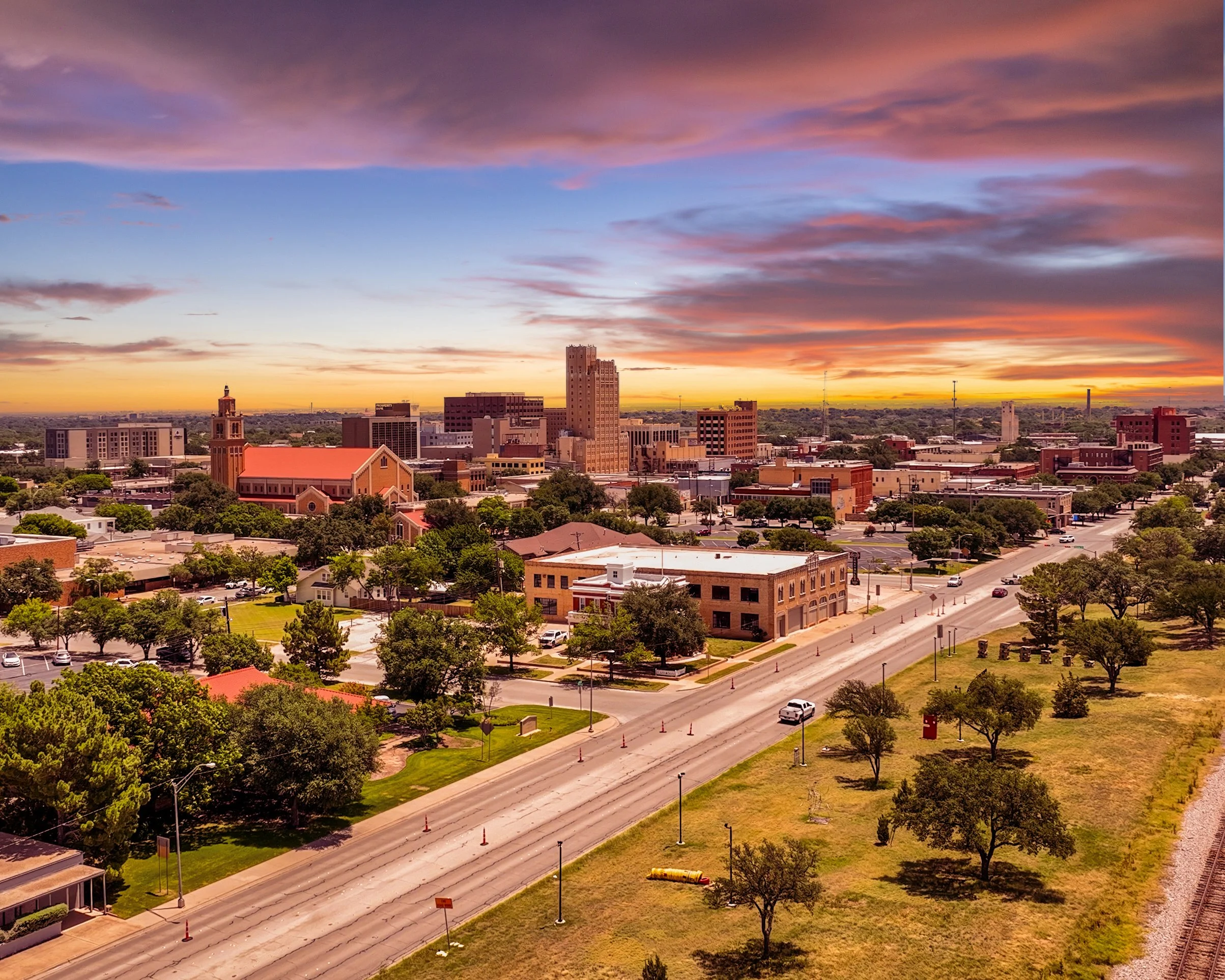
Abilene is a city of about 130,000 people in West Texas, about 150 miles (two hours) west of Fort Worth. It’s the largest city on I-20 between DFW and Midland/Odessa. Abilene is home to Dyess AFB, Abilene Christian University, Hardin-Simmons University, and McMurry University. It’s big enough to have three universities, a zoo, and a downtown worth walking, and small enough that you’ll run into someone you know at the grocery store. Housing costs a fraction of what it does in the metros, and you can get from one side of town to the other in 20 minutes or less.
We know many people move here for work (or military orders), school, or the math, and stay for reasons that are harder to put in a sentence. We also know some people who move here hate it and can’t leave fast enough. Both happen, and we'd rather you have an idea of what Abilene is like before you make any major decisions!
Here's everything we know, including the parts that aren't flattering.
Maybe Abilene Isn’t For You
Abilene is one of those places that you either fall in love with or despise.
Ask locals and transplants, and you’ll get a wide range of answers!
We have a list of the reasons you might hate it here. The wind genuinely does not stop. The nearest major airport is a two-and-a-half-hour drive, though our own airport is getting three new nonstops. Big concerts, pro sports, and serious shopping typically mean making a trip to DFW. If you need a city of a million people, this is not that city.
If you watch this and you're still curious, keep going. Most people are.
What You Need to Know About Living in Abilene
-
Buying a house here costs a fraction of what it does in the Metroplex for a comparable home, and because Texas property tax is a percentage of your home's value, the tax bill scales down with it. Groceries, utilities, childcare, and most services all run below the national average. Renting a home is the one area where things get more expensive due to the current rental shortage caused by temporary workers.
-
There isn't a right or wrong answer to where people like to live. The best part of Abilene for you will depend on a few factors and your price range.
Commute: The whole city is 15 to 20 minutes away. If you'll be working at Dyess, the south and southwest sides put you closest. If you're downtown, almost anywhere works.
School district: Abilene is served by Abilene ISD and Wylie ISD. Both are great districts, but each has its own pros and cons. So we recommend researching which one fits your child’s needs the best! We recommend checking out niche.com for school ratings and rankings.
Which district a house falls in depends on the address, and the boundaries don't always follow the lines you'd expect. We can help you find the right house in your preferred district.
Lot size and house age: Established parts of town have larger trees and older houses. Newer construction tends to be concentrated on the south and southwest sides of town. Acreage starts a few minutes out of town (and some in town still).
We're glad to walk through specific areas with you, including what each one is near and what's for sale there. That conversation is free with no obligations!
-
Abilene ISD covers the city core, including Abilene High and Cooper High. Wylie ISD (Taylor) covers the southern band, from View and Caps in the southwest across the south side of the city toward Potosi. Merkel ISD covers the area west, including Tye. Hawley ISD covers the area directly north. Eula ISD covers the area east, between Abilene ISD and Clyde. Clyde CISD serves Clyde and further east. Jim Ned CISD serves Buffalo Gap, Tuscola and Lawn. Anson ISD serves the northwest.
Abilene also has several private and faith-based schools, and tuition runs well below comparable schools in a major Texas metro.
Texas has open enrollment for children of active-duty military, which can matter if you're PCSing in. Wylie ISD also offers free pre-K to four-year-old children of active-duty members who turn four before September 1.
For school ratings and test data, go directly to the districts, the Texas Education Agency, or niche.com
-
The economy here rests on a few pillars: Hendrick Health and the broader medical sector; three universities (Abilene Christian, Hardin-Simmons, and McMurry); Dyess Air Force Base; Energy; Technology; and mechanical trades.
Abilene also has a well-supported small-business economy.
-
The honest answer is in our local guides and YouTube channel!
Learn More About Abilene
Ready to Talk About Moving to Abilene?
We're the Tonya Harbin Team. We live here, we've helped a lot of people land here, and we'll help you decide whether Abilene is the right fit for you.
There's no pressure and no cost to asking.
Call or text (325) 603-8110, or email info@harbinteam.com.